
Progressive Decline After Initially “Stable” Head Injury
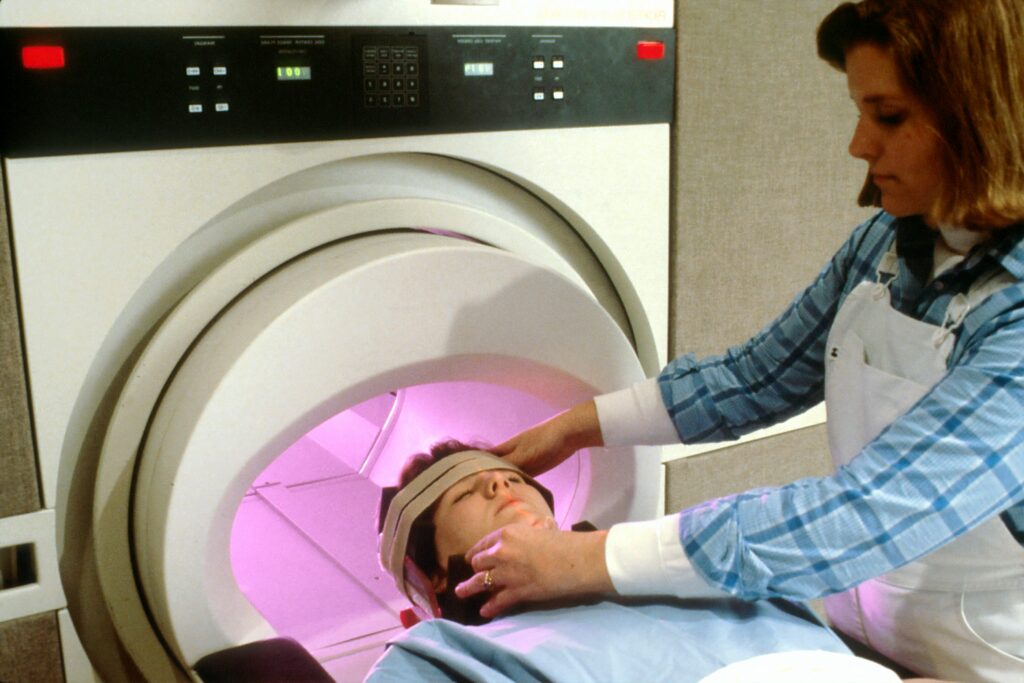
There is no question of outcome, even in an initial assessment of a head injury as “stable.” There are many other questions to be answered. In litigation, cases involving later neurological deterioration require a structured evaluation of whether the decline reflects the natural evolution of the injury or a failure to recognize and respond to developing risk. Courts do not rely on the initial label as determinative. The inquiry focuses on what information was available at each stage, how the patient’s condition changed over time, and whether the clinical response aligned with the standard of care.
The Meaning and Limits of “Stability”
The designation of stability is inherently time-bound and reflects the clinical judgment based on the patient’s condition at a specific moment. “Stability” often arises when initial imaging, examination, and observation has been completed. It does not guarantee that the condition will remain unchanged, particularly in cases involving head trauma where delayed complications are known to occur.
Legally, the significance of the “stable” designation lies in whether it influenced subsequent decision-making. Courts examine whether the label led to reduced monitoring, premature discharge, or a failure to anticipate foreseeable changes in condition. Stability is not a conclusion; it is a point within an evolving clinical course that must be reassessed as new information emerges.
Mechanisms of Delayed Deterioration
Progressive decline following a head injury may result from several mechanisms, including:
- Delayed bleeding,
- Evolving swelling,
- Secondary ischemic processes, or
- Metabolic changes within injured brain tissue.
These processes may not be fully apparent at the time of initial evaluation but can develop over hours or days. In litigation, the relevance of these mechanisms is tied to foreseeability and response. Courts evaluate whether the risk of delayed deterioration was recognized within the relevant clinical context and whether appropriate measures were taken to detect and address it. The presence of a known mechanism does not establish liability; the inquiry turns on whether the risk was managed in accordance with accepted practice.
Monitoring and Reassessment Obligations
Where a head injury carries the potential for delayed decline, the standard of care includes appropriate monitoring and reassessment. Such assessment may involve repeated neurological examinations, observation over a defined period, or follow-up instructions designed to detect worsening symptoms.
Courts examine whether monitoring was sufficient in light of the patient’s presentation and risk factors. This includes consideration of whether changes in condition were documented, whether new symptoms were investigated, and whether escalation of care occurred when indicated.
The adequacy of reassessment is measured against what a reasonably prudent provider would have done under similar circumstances, based on the information available at the time.
Temporal Relationship and Clinical Progression
A central issue in these cases is the alignment between the timing of deterioration and the opportunities for intervention. Courts evaluate whether the progression of symptoms corresponds to a point at which action could have altered the outcome.
This requires reconstruction of the clinical timeline, including initial presentation, subsequent observations, onset of decline, and eventual diagnosis or intervention. The analysis focuses on whether there was a window during which the developing condition could have been identified and treated before permanent injury occurred.
Where the record supports that deterioration was detectable and actionable prior to the point of irreversible harm, the causal connection may be established.
Defense Position: Natural Progression of Injury
The defense takes up the position that a decline represents a natural or inevitable course of the injury rather than a product of any deviation in care. This argument emphasizes that certain complications may develop despite appropriate monitoring and intervention.
Courts require that such assertions be supported by evidence. The analysis must demonstrate that the progression observed is consistent with known clinical patterns and that earlier or different intervention would not have altered the outcome.
The presence of an initially stable condition does not preclude the possibility of preventable deterioration. The court must determine whether the evidence supports inevitability or whether the progression reflects a missed opportunity for intervention.
Multiple Providers and Continuity of Care
Progressive decline often occurs across multiple stages of care, involving emergency providers, inpatient teams, and outpatient follow-up. In such cases, the legal analysis must identify where responsibility lies and whether failures at different points contributed to the outcome.
Courts distinguish between the initial assessment and subsequent management. A reasonable initial evaluation does not insulate later failures to recognize or respond to change. Liability may be apportioned among providers based on their respective roles in the sequence of events. Continuity of care is therefore central to the analysis. The transfer of responsibility must include communication of risk and clear guidance regarding monitoring and follow-up.
Evidentiary Requirements and Expert Analysis
In cases involving medical negligence, expert testimony is required to establish whether the standard of care was met at each stage. Testimony is also required to assess any deviation that contributed to the injury. Included in this is an analysis of the patient’s presentation, the adequacy of monitoring, and the timing of intervention relative to the progression of the condition.
Courts evaluate whether expert opinions are grounded in the documented record and whether they account for alternative explanations. Assertions that deterioration should have been anticipated must be supported by reference to recognized risk factors and clinical indicators.
The analysis must connect the observed decline to specific opportunities for intervention that were missed or inadequately addressed.
Legal Consequences of Delayed Recognition
Where progressive decline is shown to result, in part, from a failure to monitor or respond appropriately, the legal consequences follow from the court’s findings on causation and liability. Defendants may be held responsible for the portion of injury attributable to the delay in recognition or treatment, particularly where earlier intervention would have prevented or mitigated harm.
In cases involving multiple contributing factors, courts may allocate responsibility based on the degree to which each factor influenced the outcome. The resulting judgment reflects a determination that the progression of injury, while initially unremarkable, became legally significant due to failures in ongoing care.
Conclusion
Progressive decline after an initially “stable” head injury requires careful distinction between natural evolution and preventable deterioration. Courts evaluate whether the standard of care was met not only at the point of initial assessment, but throughout the period in which the patient’s condition evolved. The determination rests on a structured analysis of timing, monitoring, and response, supported by evidence demonstrating whether earlier recognition and intervention would have altered the outcome.
Raynes & Lawn evaluates matters with a focus on cases involving substantial injury, complex causation, and multi-party liability exposure. The firm’s docket reflects a selective intake process, often including referrals from other counsel where the evidentiary demands and litigation structure exceed the scope of more routine representation. Where a case presents those characteristics, it is often directed toward firms such as Raynes & Lawn, whose litigation model is structured around managing that level of complexity.
Referral and Case Review Inquiries
Raynes & Lawn evaluates a limited number of matters involving serious injury, institutional failure, and legally supportable theories of liability. Reviews are conducted to determine whether the medical, technical, and legal foundations required for responsible litigation are present.
Submissions may be made by individuals, families, or referring counsel. Any review is a threshold evaluation only and does not constitute acceptance of representation.