
Multiple Fracture Cases After Truck Accidents: Evaluating Permanent Functional Loss
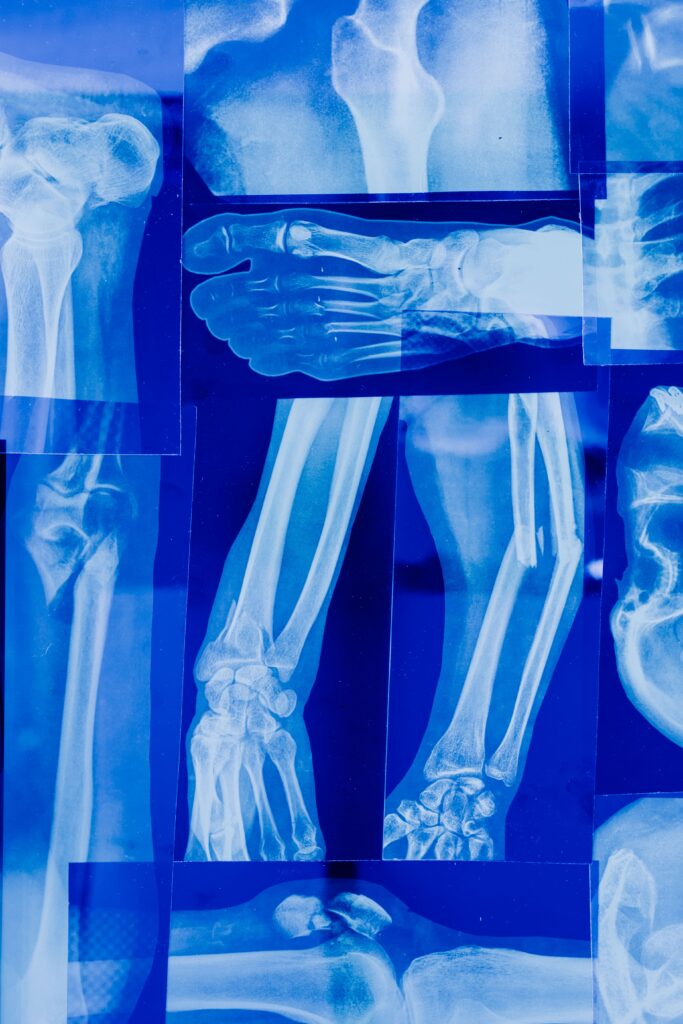
Commercial truck collisions generate injury patterns that often involve multiple fractures throughout the body. A single collision may produce fractures of the pelvis, ribs, femur, tibia, spine, or combinations of several major skeletal structures due to the amount of force involved. While a fracture often goes undisputed, disputes often occur as the injuries heal. Months or years after the collision, the parties may disagree about whether the plaintiff remains permanently disabled, whether ongoing limitations are supported by objective evidence, and whether future losses should be attributed to the accident. As a result, the central dispute often shifts from proving injury to evaluating function.
The Fractures Are Established Long Before Disability Is Resolved
There is a substantial amount of evidence in multiple fracture cases. Emergency imaging may reveal numerous fractures. Surgical fixation may be required. Hospitalization may last weeks. Rehabilitation may continue for months. The injuries themselves are often readily identifiable.
Difficult questions revolve around the plaintiff’s condition once treatment concludes. For example, a patient may achieve maximum medical improvement but still have pain, weakness, restricted mobility, reduced endurance, balance deficits, or limitations affecting employment and daily activities. Conversely, another patient may sustain extensive fractures yet achieve a relatively successful functional recovery.
For that reason, litigation focuses on the functional abilities that were lost and whether those losses are likely to remain permanent.
Functional Loss Becomes More Important Than Anatomical Healing
The divide between healing and functioning comes into question in these cases. Imaging may demonstrate successful fracture union, and physicians may say that the fractures healed appropriately. However, someone can still struggle with daily activities and employment. Walking, climbing stairs, lifting objects, standing for prolonged periods, driving, or returning to physically demanding employment may remain difficult despite radiographic healing.
In court, the defense may point to the evidence that says the fracture is healed. The plaintiff may then show that the function of the bones did not return.
The Central Battle Concerns Permanency
In many multiple-fracture cases, neither side disputes that the plaintiff was seriously injured immediately after the collision. The dispute concerns what remains years later.
A physician evaluating permanency is not simply asking whether pain persists. The inquiry is typically broader. Has the plaintiff reached maximum medical improvement? Have objective deficits stabilized despite treatment? Do functional limitations remain despite rehabilitation efforts? Is there evidence that further recovery is reasonably expected?
These questions often become particularly important when multiple fractures affect different parts of the body simultaneously.
A plaintiff who suffered fractures involving the pelvis, femur, and spine may present with a combination of mobility limitations that cannot easily be attributed to a single injury. The cumulative effect of the injuries may become more important than any individual fracture.
Experts therefore frequently examine the patient’s entire recovery trajectory. They may compare early treatment records with later evaluations, assess whether progress plateaued, review functional testing, and analyze whether restrictions remained consistent over time.
The defense may focus on evidence suggesting continued improvement. The plaintiff may focus on evidence showing that improvement eventually stopped despite ongoing treatment. As a result, the permanency dispute often becomes less about diagnosis and more about prognosis. The question is whether the plaintiff’s current condition represents a temporary stage of recovery or a lasting limitation likely to remain into the future.
How Experts Evaluate Permanent Functional Loss
When multiple fractures are the result of a truck accident, experts tend to spend less time debating the diagnosis and focus on the function of the bones. The experts will study imaging tests and surgical records, as well as reports from specialists.
Physical medicine and rehabilitation specialists may examine mobility, endurance, balance, strength, and the ability to perform daily activities. Orthopedic experts may evaluate fracture patterns, surgical outcomes, joint integrity, and the likelihood of future degeneration. Functional capacity evaluators may conduct standardized testing designed to measure physical capabilities and work-related limitations. Vocational experts may assess whether the plaintiff can return to previous employment or compete in the labor market under current restrictions.
Collectively, the analysis aims to answer a question central to the case: What can the plaintiff no long do because of the collision?
Competing Explanations Frequently Emerge
Causation grows in complexity as time passes. The plaintiff may attribute ongoing limitations to cumulative effects of multiple fractures while the defense explores alternative explanations. Age-related degeneration, preexisting orthopedic conditions, obesity, unrelated medical conditions, subsequent injuries, or physical deconditioning may all be identified as contributing factors.
The defense may also argue that some limitations stem from pain complaints that are unsupported by objective findings. As a result, the litigation frequently becomes an exercise in separating accident-related impairment from conditions that would have existed regardless of the collision.
Employment Evidence is Often Used In The Case
A recurring issue in multiple fractures after a truck accident is whether the plaintiff’s claimed restrictions translate into a measurable vocational loss. For example, a worker may be capable of employment medically but also be incapable of performing the occupation they held before the collision. This becomes important when the plaintiff previously worked in a physical job, such as construction, transportation, manufacturing, healthcare, or other physically demanding fields.
The plaintiff may present evidence showing repeated attempts to return to work, employer accommodations that proved unsuccessful, or permanent restrictions preventing the performance of essential job functions. The defense may focus on transferable skills, alternative employment opportunities, educational background, and labor market data suggesting that wage loss is less substantial than claimed.
Consequently, employment evidence often serves as a practical test of disability. It allows jurors to evaluate whether the alleged limitations have produced observable consequences in the plaintiff’s ability to earn a living.
What Jurors Evaluate in Multiple Fracture Cases After Truck Accidents
Since the case is not about whether the fractures occurred but how the pain or limitations are ongoing or permanent, jurors are rarely asked to determine if the fractures exist. The question they must answer is whether the claimed disability remains attributable to those fractures.
Several further inquiries shape the analysis:
- Does the plaintiff function differently than before the collision?
- Are the claimed limitations supported by objective evidence?
- Do treating records consistently document the alleged impairments?
- Have the limitations affected employment and daily activities?
- Is the claimed disability likely to persist into the future?
How Future Damages are Analyzed
Future damages are a heavily contested aspect in such cases because calculating them requires an evaluation of events that have not yet occurred. The plaintiff may contend that the injuries created a permanent condition likely to generate ongoing expenses for years or decades. Future surgeries, pain management treatment, orthopedic monitoring, physical therapy, assistive devices, home modifications, and diminished earning capacity may all become components of the damages claim.
The defense will challenge those projections by disputing the likelihood of future interventions or treatments.
The dispute is particularly significant in cases involving younger plaintiffs. A thirty-year-old plaintiff alleging permanent functional impairment may seek damages based upon decades of future medical care, reduced earning capacity, and diminished quality of life. Small disagreements regarding prognosis can therefore produce substantial differences in projected losses.
For that reason, experts frequently examine whether the plaintiff’s condition has stabilized, whether objective findings support permanent restrictions, whether future degeneration is medically probable, and whether additional treatment is reasonably expected. The analysis often extends well beyond current symptoms and focuses on the likely trajectory of the injury over time.
In many cases, the most important damages question is not what the collision has already cost the plaintiff. It is whether the evidence reliably establishes what the collision is likely to cost in the future.
Conclusion
Multiple-fracture cases arising from commercial truck accidents frequently involve extensive objective evidence establishing the occurrence of serious injury. The more difficult litigation questions often emerge later, when the parties attempt to determine whether the plaintiff’s remaining limitations represent permanent functional loss.
These cases commonly require careful evaluation of medical progression, functional capacity, employment history, expert analysis, and competing explanations for ongoing impairment. While the fractures themselves may be undisputed, the extent and permanence of the resulting disability often become the central issues presented to experts, juries, and courts.
Raynes & Lawn evaluates catastrophic injury matters involving multiple fractures, permanent impairment, diminished earning capacity, future damages, and complex causation disputes requiring careful analysis of functional loss and long-term disability following serious truck accidents.
Referral and Case Review Inquiries
Raynes & Lawn evaluates a limited number of matters involving serious injury, institutional failure, and legally supportable theories of liability. Reviews are conducted to determine whether the medical, technical, and legal foundations required for responsible litigation are present.
Submissions may be made by individuals, families, or referring counsel. Any review is a threshold evaluation only and does not constitute acceptance of representation.