
Following Distance in Commercial Truck Litigation: When Stopping Distance Becomes a Causation Question
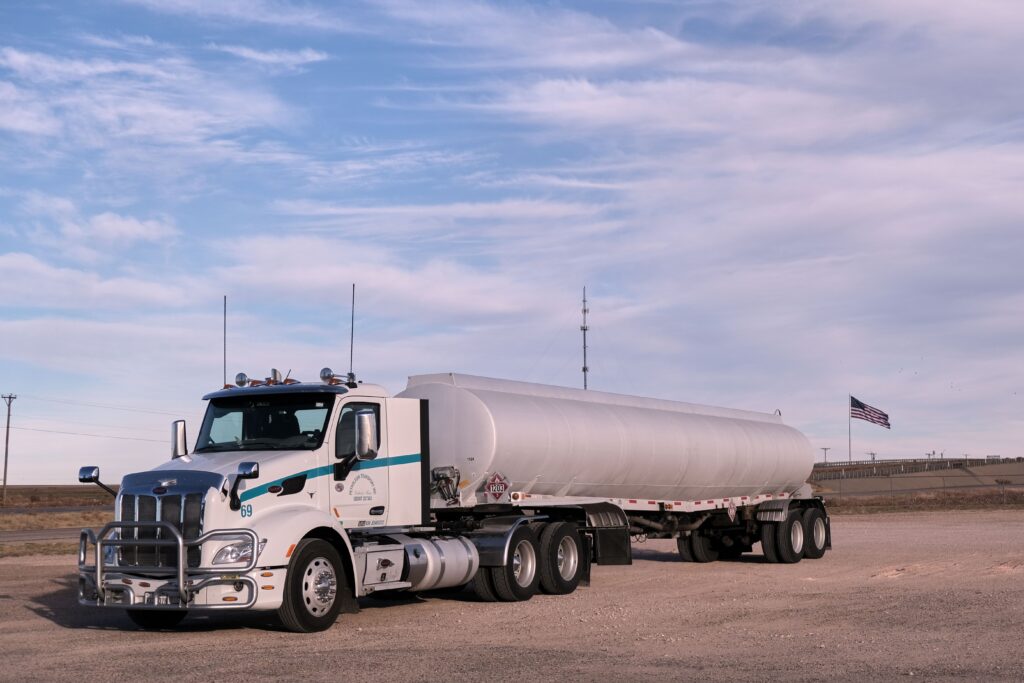
A rear-end collision involving a commercial truck often presents as a straightforward case. Because the trailing vehicle failed to stop before impact, many presume that the truck driver was necessarily following too closely. However, in commercial truck litigation, stopping distance rarely exists as an isolated issue. Rather, it becomes a question of causation, requiring attorneys to examine the sequence of operational decisions that determined whether the collision could realistically have been avoided.
The distance required to safely stop a commercial truck depends upon a space separating two vehicles, as well as vehicle speed, gross vehicle weight, roadway grade, weather conditions, brake performance, driver perception, and reaction time. As a result, litigation often focuses less on the distance and on the circumstances leading up to the collision. Did the driver have a reasonable opportunity to stop safely?
Following Distance Is Only One Component of Stopping Distance
Commercial trucks require substantially more distance to stop than passenger vehicles due to their size, weight, and braking characteristics. The table below shows the average stopping distance at a specific speed:
| Speed | Approximate Stopping Distance |
| 20 mph | 40 ft |
| 30 mph | 80 ft |
| 40 mph | 120 ft |
| 50 mph | 175 ft |
| 60 mph | 310 ft |
| 65 mph | 400 ft |
The stopping distance grows exponentially. Now, consider how much distance that is between the truck and an average passenger vehicle. With the average vehicle measuring at 14.7 feet in length, this stopping distance may seem like a large space while the truck is traveling on a highway, for example.
However, stopping distance cannot be reduced to a single measurement, as it consists of two separate phases: the distance traveled while the driver recognizes a hazard and reacts to stop, followed by the distance required for the truck to decelerate and complete the stop.
Numerous variables come into play. For instance, a fully loaded tractor-trailer may require far more distance to stop than an unloaded vehicle traveling the same speed. Wet pavement, downhill grades, diminished tire traction, improperly adjusted brakes, or delayed driver perception may further increase the distance necessary to avoid a collision. For that reason, two collisions occurring at the same speed may have two completely different outcomes.
The Litigation Often Begins Before the Driver Applies the Brakes
The important question is not when the brakes were applied but when the circumstances required braking first became reasonably apparent. A plaintiff may argue that the truck driver followed the passenger vehicle too closely to stop safely under prevailing traffic conditions. The defense, however, may contend that the driver’s available stopping distance was unexpectedly eliminated by an intervening event, such as a sudden lane change.
Viewed from that perspective, the point of impact frequently represents the end of the causal sequence rather than its beginning. The litigation therefore examines not only the driver’s response after perceiving the hazard, but also the circumstances that created—or limited—the opportunity to respond in the first place.
Federal Safety Regulations Provide the Framework—Not the Answer
Commercial truck drivers are subject to federal and state-level safety regulations that govern vehicle operation, maintenance, and driver conduct. Depending on the issues presented in the case, litigation may include the Federal Motor Carrier Safety Regulations (FMCSRs), such as 49 C.F.R. § 392.14, which requires drivers to exercise extreme caution and reduce speed when hazardous conditions such as rain, snow, ice, fog, or reduced visibility adversely affect vehicle operation.
Other regulations addressing brake maintenance, vehicle inspection, cargo securement, and hours-of-service may be relevant when surrounding circumstances suggest that those issues contributed to the collision.
Compliance, however, does not necessarily resolve negligence. A driver may satisfy the applicable regulations while still being alleged to have acted unreasonably under specific conditions. Likewise, a regulatory violation does not automatically establish legal liability in a rear-end collision.
Regulations may be used to drive theories and support evidence, but they are only cornerstones in the legal framework.
Rear-End Collisions Do Not Always Resolve Liability
In commercial trucking litigation, the rear-end collision is only the beginning of the case. It is a single event within a broader sequence and only one answer amid dozens of questions, particularly when the collision produced a catastrophic outcome.
For example, a passenger vehicle that is struck from behind may be propelled into opposing traffic or forced beneath another commercial vehicle. In other cases, the impact may initiate a chain-reaction that involves multiple vehicles that compounds the chance of victims forming severe injuries. Consequently, litigation frequently examines not only whether the truck failed to stop but also the level of contribution that impact had on the surrounding environment.
Such circumstances may also complicate the allocation of fault. Defendants may argue that the plaintiff’s conduct, another driver’s actions, or an independent event contributed to the overall sequence of collisions or resulting injuries. By contrast, plaintiffs contend that the truck driver’s inability to maintain a safe stopping distance set the entire chain of events in motion, making the subsequent collisions foreseeable consequences of the initial impact.
Conclusion
Following distance in commercial truck litigation involves far more than measuring the space separating two vehicles before impact. Because stopping distance reflects the combined effects of vehicle operation, roadway conditions, driver perception, mechanical performance, and surrounding traffic, it often becomes a central question of causation rather than a simple issue of distance. Evaluating those factors within the broader context of federal safety regulations and negligence principles is frequently essential to determining how—and why—a commercial truck collision occurred.
Raynes & Lawn represents individuals and families in complex commercial truck accident litigation involving catastrophic injuries, wrongful death, and disputes concerning driver conduct, vehicle maintenance, regulatory compliance, and accident causation. These cases often require careful analysis of the operational decisions that shaped a driver’s ability to recognize hazards and stop safely before a collision occurred.
Referral and Case Review Inquiries
Raynes & Lawn evaluates a limited number of matters involving serious injury, institutional failure, and legally supportable theories of liability. Reviews are conducted to determine whether the medical, technical, and legal foundations required for responsible litigation are present.
Submissions may be made by individuals, families, or referring counsel. Any review is a threshold evaluation only and does not constitute acceptance of representation.