
Diffusion-Weighted Imaging in Acute Brain Injury Analysis
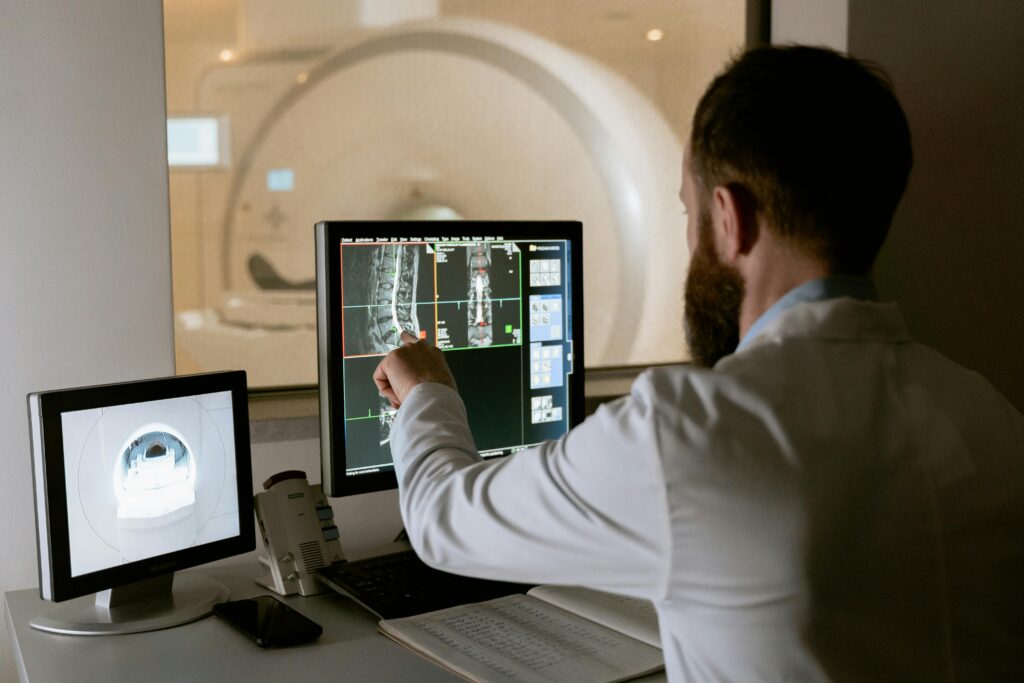
Diffusion-weight imaging (DWI) is a form of magnetic resonance imaging (MRI) that is used to detect early changes in brain tissue at the cellular level. DWI is typically done before abnormalities appear on conventional imaging. In litigation involving acute brain injury, DWI becomes central to the evidentiary record because it can provide time-sensitive insight into when an injury occurred and how it evolved. Courts do not treat imaging findings as self-executing proof. The legal inquiry focuses on whether DWI data, when interpreted through reliable methodology and correlated with the clinical record, supports a coherent and medically grounded account of causation.
The Function of Diffusion-Weighted Imaging
DWI measures the movement of water molecules within brain tissue. In the setting of acute injury—particularly ischemia—cellular energy failure leads to restricted diffusion, which appears as signal change on imaging. These changes may be detectable within a short period following injury, making DWI a sensitive tool for identifying early brain damage.
From a legal perspective, there is significance to DWI. The images reflect physiological processes rather than structural damage alone. It may reveal injury at a stage when other imaging modalities remain normal. This makes it particularly relevant in cases where timing and mechanism are disputed.
Timing and Evolution of Imaging Findings
One of the primary uses of DWI in litigation is the evaluation of timing. The appearance, progression, and eventual normalization or transformation of diffusion abnormalities follow patterns that can, under appropriate interpretation, inform estimates of when an injury occurred.
Courts evaluate whether the timing suggested by imaging is consistent with the clinical timeline established by the record. This requires integration of imaging data with documented symptoms, interventions, and physiological events. DWI findings are not interpreted in isolation; their evidentiary value depends on whether they align with other sources of information.
Where imaging suggests a different timeframe than that proposed by a party, the discrepancy must be addressed through expert analysis. The court does not resolve such conflicts based on imaging alone, but on the reliability of the interpretation and its consistency with the broader record.
Differentiating Mechanisms of Injury
DWI may assist in distinguishing among potential mechanisms of brain injury, including hypoxic-ischemic events, traumatic processes, and metabolic disturbances. Patterns of diffusion abnormality—such as distribution across specific brain regions—may be consistent with certain mechanisms and less consistent with others.
The patterns revealed with DWI are used to support or challenge causation theories. However, courts require that such interpretations be grounded in accepted medical principles and applied to the specific facts of the case. Generalized statements about imaging patterns are insufficient without explanation of how the observed findings correspond to the proposed mechanism.
Where multiple mechanisms are possible, DWI must be evaluated alongside other clinical and diagnostic data to determine which explanation is most consistent with the evidence.
Correlation With Clinical Presentation
The probative value of DWI depends on the correlation with the patient’s clinical condition. Imaging findings must be considered in the context of neurological examination, symptom progression, and other diagnostic results.
Courts examine whether DWI supports the clinical picture or whether inconsistencies exist that undermine the proposed interpretation. For example, imaging suggesting acute injury must be reconciled with the timing of symptom onset and documented changes in neurological status.
This correlation requirement prevents overreliance on imaging and ensures that conclusions are based on a comprehensive evaluation of the patient’s condition.
Limitations and Sources of Dispute
Despite its sensitivity, DWI has limitations that are often central to litigation. The timing of detectable changes may vary, and the evolution of findings is not uniform across all cases. Certain conditions, including metabolic disturbances, may produce diffusion abnormalities that complicate interpretation.
Defense arguments may emphasize these limitations, asserting that imaging findings are nonspecific or insufficient to establish timing with the precision required for causation. Courts require that such limitations be addressed directly. Expert testimony must explain the degree of certainty associated with the interpretation and the extent to which alternative explanations have been considered.
The presence of ambiguity does not render imaging irrelevant, but it affects the weight assigned to it.
Integration With Expert Testimony
Diffusion-weighed imagining findings are interpreted through expert analysis that connects imagining data to legal standards of causation. Experts use DWI to demonstrate that the interpretation is based on accepted methodology and that it accounts for both supporting and conflicting evidence.
Courts evaluate whether the expert has:
- Accurately described the imaging findings;
- Applied established principles regarding timing and mechanism; and
- Explained how those findings support a specific causal conclusion.
The analysis must be transparent and grounded in the record. Conclusory statements that DWI “confirms” a theory of injury are insufficient without detailed and logical explanation.
Evidentiary Standards and Admissibility
As with all scientific evidence, the admissibility of DWI-based opinions depends on reliability. Courts assess whether the methodology used to interpret imaging is accepted within the relevant medical community and whether it has been properly applied to the facts of the case.
This includes scrutiny of whether the interpretation is consistent with the full evidentiary record. Imaging that is selectively emphasized or interpreted without regard to clinical context may be subject to challenge.
The court’s role is to ensure that imaging evidence presented to the factfinder reflects disciplined analysis rather than speculative inference.
Legal Consequences of Imaging-Based Findings
Where DWI evidence, supported by reliable expert testimony, establishes the timing and mechanism of brain injury, it may play a central role in determining liability. Imaging may support or refute claims regarding when an injury occurred, whether it is attributable to a particular event, and whether earlier intervention would have altered the outcome.
The legal consequences follow from these determinations. If imaging supports a finding that an injury occurred within a timeframe linked to a deviation from the standard of care, it may contribute to a conclusion that the deviation was a substantial factor in producing harm. Conversely, imaging inconsistent with the alleged timeline may undermine causation.
Conclusion
Diffusion-weighed imagining provides a sensitive method for detecting early brain injury and may offer critical insight into timing and mechanism when properly interpreted. In litigation, its value depends on integration with the clinical record and analysis grounded in accepted medical principles. Courts evaluate whether DWI findings support a coherent and evidence-based account of causation, recognizing both the strengths and limitations of the modality within a structured evidentiary framework.
Raynes & Lawn evaluates matters with a focus on cases involving substantial injury and complex causation. The firm’s docket reflects a selective intake process, often including referrals from other counsel where the evidentiary demands and litigation structure exceed the scope of more routine representation. Where a case presents those characteristics, it is often directed toward firms such as Raynes & Lawn, whose litigation model is structured around managing that level of complexity.
Referral and Case Review Inquiries
Raynes & Lawn evaluates a limited number of matters involving serious injury, institutional failure, and legally supportable theories of liability. Reviews are conducted to determine whether the medical, technical, and legal foundations required for responsible litigation are present.
Submissions may be made by individuals, families, or referring counsel. Any review is a threshold evaluation only and does not constitute acceptance of representation.