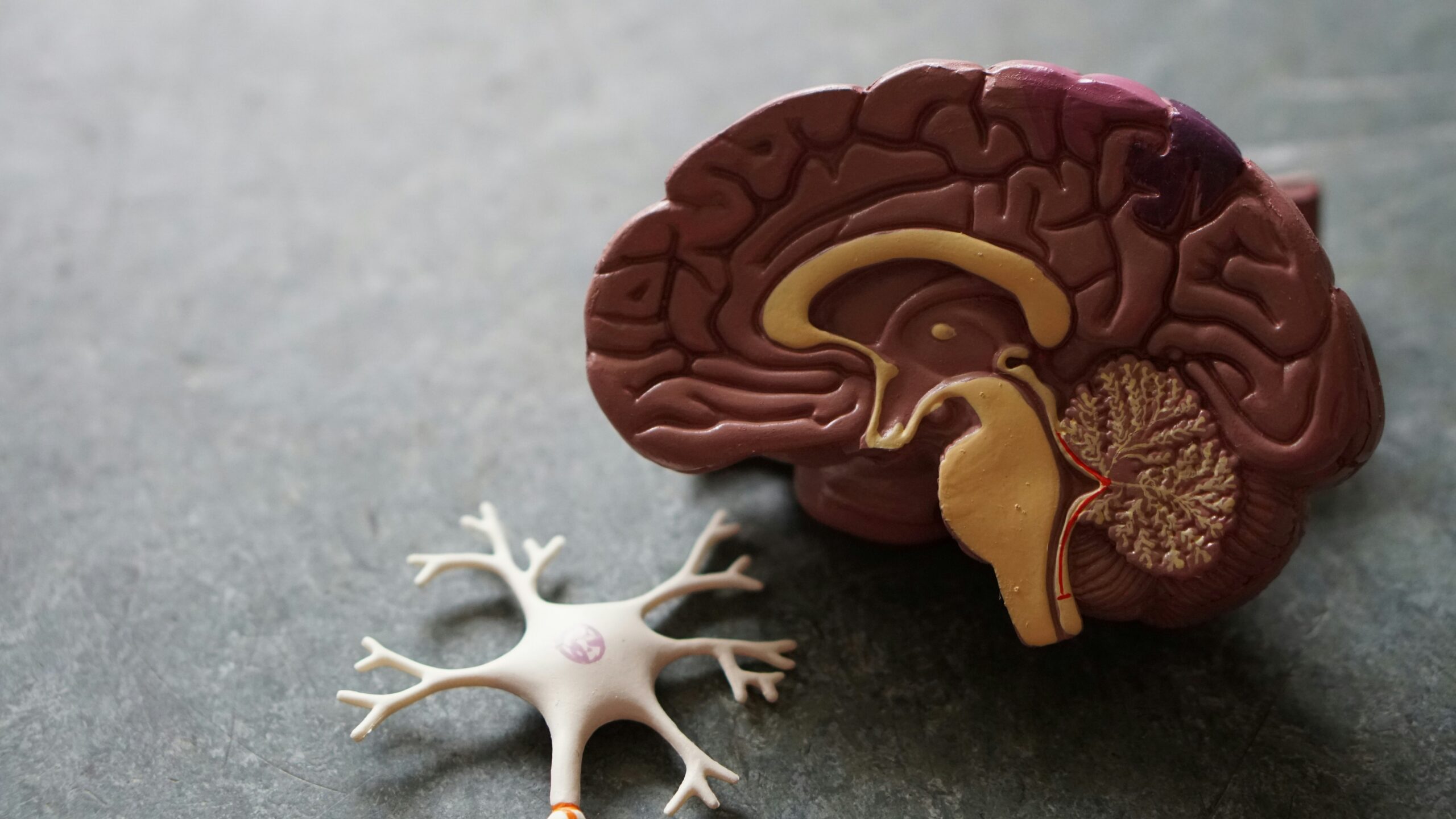
Traumatic brain injury cases do not always involve a single neurological issue. In some catastrophic injury matters, the initial trauma is followed by a secondary period of oxygen deprivation that
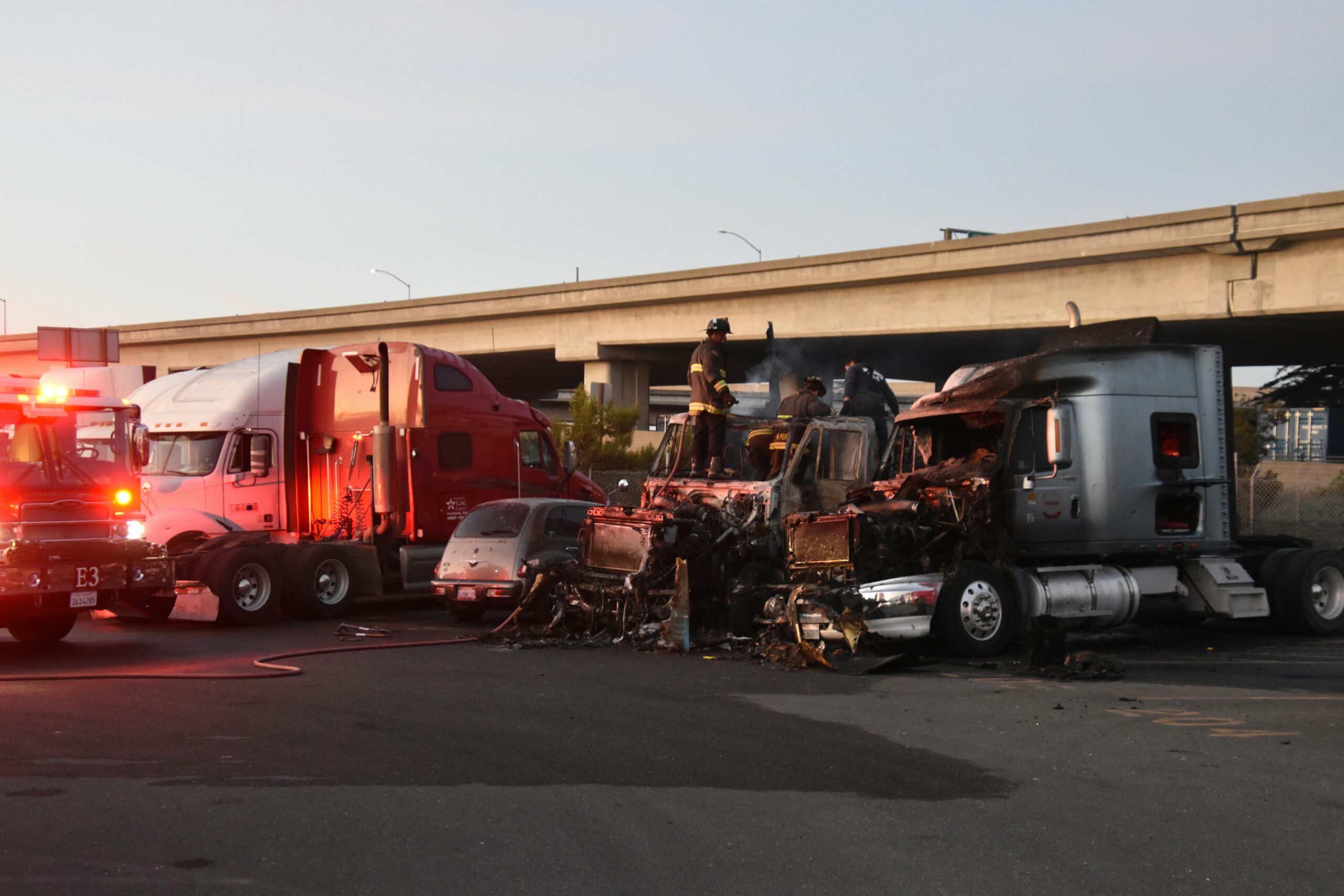
Visible damage is often the first thing documented when a passenger vehicle collides with a commercial truck. Crushed metal and shattered glass illustrate the severity of the truck accident, but
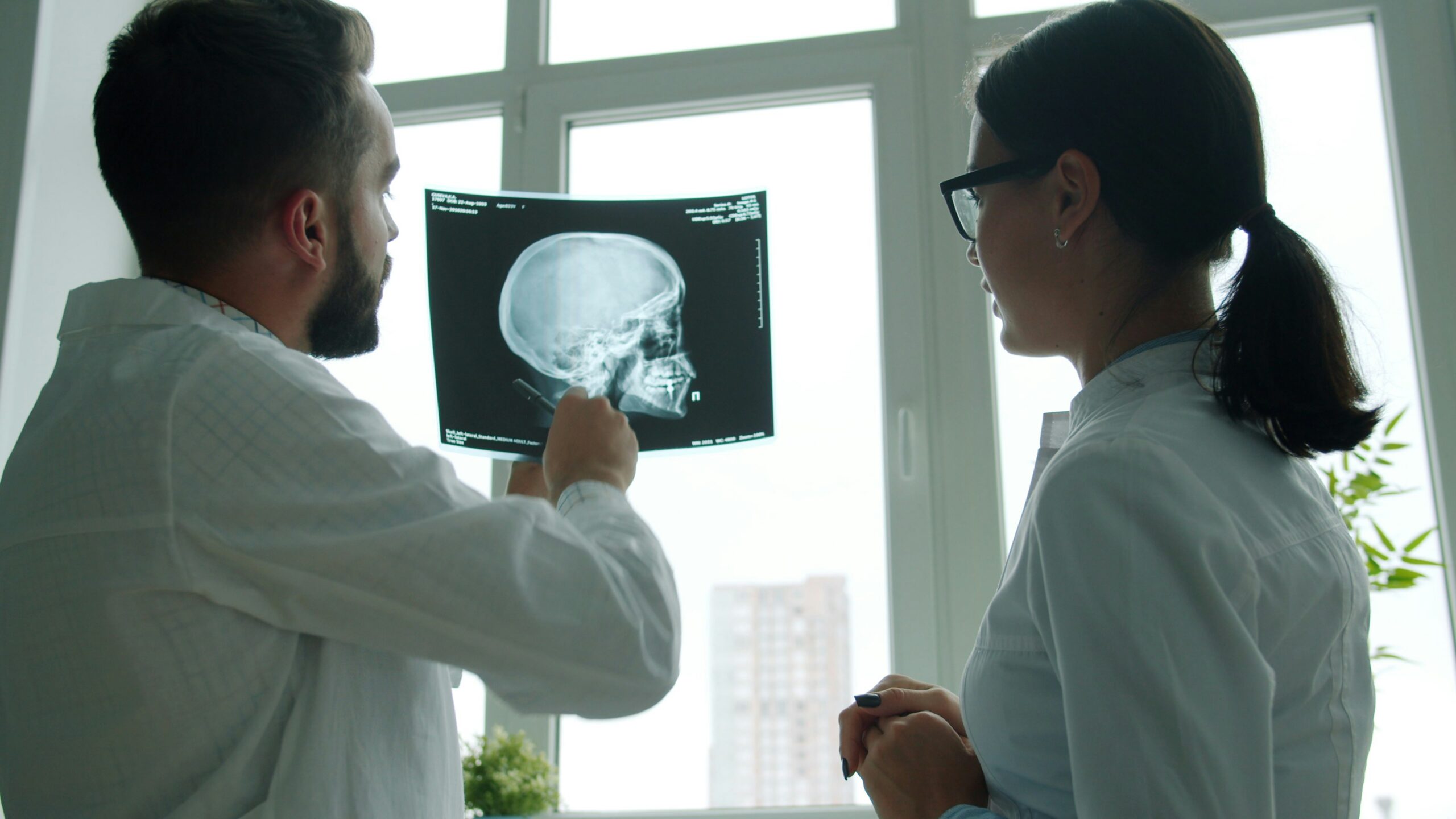
Before the full extent of intracranial trauma can be analyzed, several clinical decisions must be made. While not every patient with a head injury requires immediate imaging, the failure to
Delayed intracranial hemorrhage cases involve patients who initially appear clinically stable despite evolving intracranial bleeding. The absence of early neurological collapse may complicate the diagnosis and the liability analysis, particularly
Severe traumatic brain injury is often associated with visibly catastrophic trauma, including penetrating injury, depressed skull fracture, or extensive external head damage. Should this occur, there is little room for
Driver conduct is often at the forefront of commercial truck accident litigation. Was the driver dozing? Did they brake in time? Were they distracted? However, those questions may become secondary
Cases involving diagnostic delay typically include conditions that initially resemble common, low-acuity, or medically explainable complaints rather than obvious emergencies. However, some of the most medically and legally complex matters
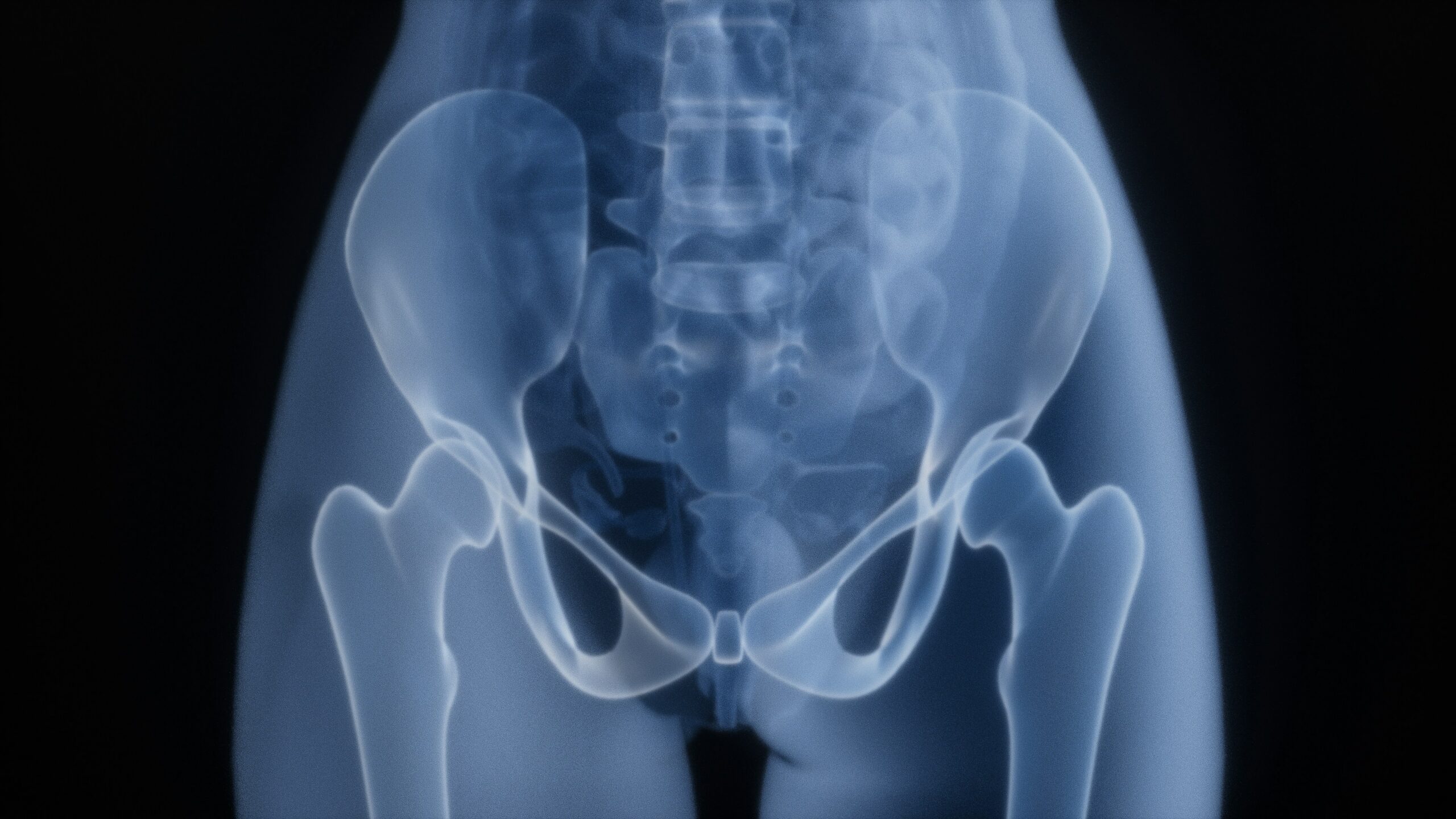
Pelvic fractures are among the most serious orthopedic injuries encountered in commercial truck accident litigation. Yet, in many cases, the fracture itself is not the primary dispute. There is little
Spinal cord injuries that arise from commercial truck accidents frequently produce high-value and heavily contested claims in catastrophic injury litigation. It goes beyond the severity of an injury. There is
Crush injuries are often discussed when considering the forces that caused them. In a truck accident, the discussion centers less on the instant the crush force was applied and more