
Failure to Diagnose Neonatal Encephalopathy in the First Hours of Life
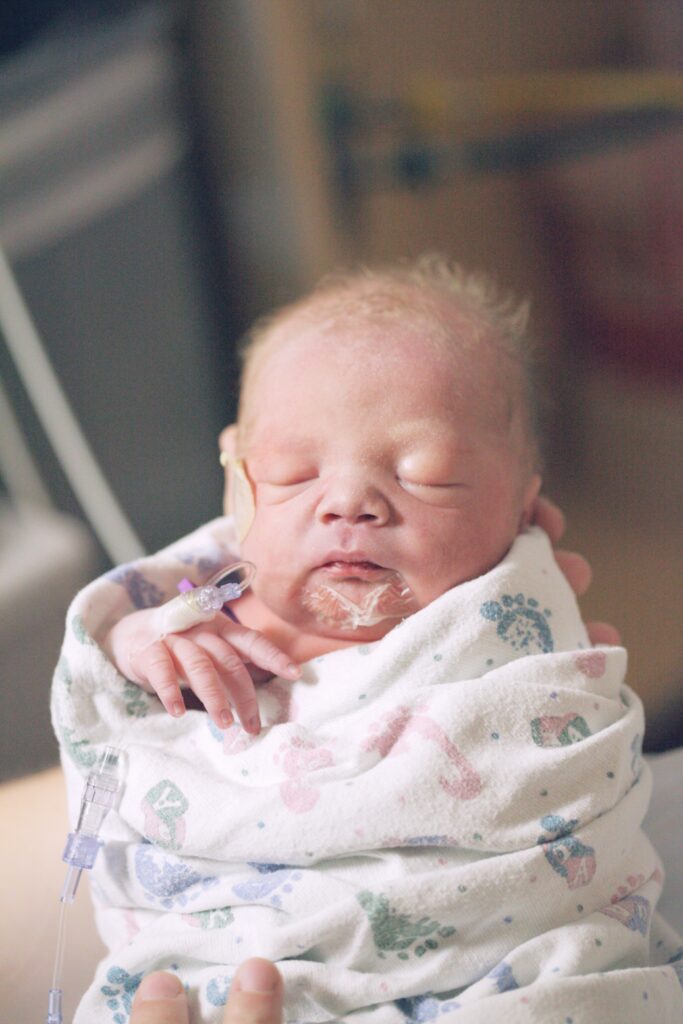
In many birth injury cases, there is no dispute that the infant ultimately developed neonatal encephalopathy. Instead, litigation asks whether the diagnosis happened within an hour or six—and whether it came too late to preserve opportunities that may have limited permanent neurological injuries. Failure to diagnose neonatal encephalopathy quickly has significant consequences.
Should the evidence show that a child’s condition was irreversible before clinicians reasonably recognized the problem, there may be little that can be achieved in court. However, if the evidence shows that earlier recognition could have occurred and altered the outcome, the timing of the diagnosis becomes central to causation.
Therefore, the question is not solely whether the physicians correctly identified neonatal encephalopathy but whether failure to recognize it within the first hours of life influenced the child’s prognosis.
Litigation Turns on When the Opportunity to Intervene Ended
The first question litigators ask is: When did the opportunity to change the outcome disappear? If therapeutic hypothermia, for example, remained available, plaintiffs may state that every hour of diagnostic delay reduced the opportunity to interrupt the evolving injury. If experts conclude that irreversible damage had occurred prior to birth, however, the defense may develop the argument that earlier recognition of the diagnosis would not have significantly altered the child’s neurological condition.
Accordingly, both sides devote significant attention to establishing not merely the timing of the diagnosis, but the timing of lost therapeutic opportunity.
Early Documentation Determines the Theory of the Case
The first several hours of a newborn’s life produce the most essential evidence in neonatal encephalopathy litigation, including:
- Apgar scores,
- Neurological examinations,
- Blood gas results,
- Umbilical cord gases,
- Seizure activity,
- Abnormal muscle tone,
- Respiratory support,
- Feeding difficulties,
- Progress notes.
When viewed independently, the findings of the tests may not be enough to establish a diagnosis. This is why experts often view medical records and testing chronologically. Together, the results may reveal whether neurological deterioration was occurring during the window of opportunity for intervention.
The Dispute Is Frequently About Recognition Rather Than Diagnosis
Liability does not depend on proving whether the physicians failed to name the condition quickly enough. It is far more nuanced than that. Did the treating team recognize any neurological dysfunction even if they had not yet assigned the formal diagnosis?
Evidence that clinicians documented any abnormal neurological findings, suspected hypoxic injury, ordered neurological consultations, or initiated appropriate monitoring may demonstrate that they appreciated the developing condition despite uncertainty. This would limit liability.
Conversely, repeated documentation describing the infant as stable despite progressive worsening neurological findings may support the argument that meaningful warning signs were overlooked. In this scenario, fault may be assigned to the care team.
Therapeutic Hypothermia May Be Considered and Questioned
Therapeutic hypothermia occupies the space between delayed diagnosis and permanent neurological injury in such cases. Cooling therapies alter how a plaintiff may approach the case. Being that therapeutic hypothermia is an accepted intervention for certain infants with hypoxic-ischemic encephalopathy, one that is proven highly effective in reducing the overall severity of the condition, plaintiffs may argue that delayed recognition deprived the newborn of a meaningful opportunity to heal while neuroprotective measures were in place.
The defense will rarely dispute the significance of the cooling therapy itself. Instead, it will focus on whether the infant was a realistic candidate. Experts may argue that the newborn did not meet the clinical criteria at the time to be placed into therapeutic hypothermia, or that the symptoms presented outside the accepted treatment window. If the arguments succeed, the plaintiff’s theory of a delayed diagnosis becomes substantially harder to prove.
For litigators, therapeutic hypothermia is therefore more than a medical treatment. It frequently serves as the critical link in the causation analysis. The dispute is not simply whether cooling was administered, but whether earlier recognition would have preserved a recognized opportunity to intervene before the child’s neurological injury reached its final extent.
Expert Testimony Focuses on Lost Opportunity Rather Than Certainty
No expert can state with certainty how an individual infant would have developed had treatment started earlier. That possibility is lost. While the defense may emphasize the uncertainty, the plaintiffs must construct a cumulative theory demonstrating that earlier recognition would have preserved medically accepted treatment options that later slipped away. Neonatologists, pediatric neurologists, neuroradiologists, and rehabilitation specialists may each contribute part of that analysis, explaining how the timing of diagnosis affected subsequent clinical decisions.
Delayed Recognition Changes the Meaning of the Medical Record
One of the consequences of proving delayed diagnosis is how it changes the way any other medical evidence is interpreted. A low Apgar score or an early seizure, for example, may seem to be isolated until the diagnosis is considered retrospectively.
Once plaintiffs establish that neonatal encephalopathy should have been recognized earlier, those same findings can be understood as evidence that the injury was progressing while opportunities for intervention remained available. Rather than documenting an unavoidable outcome, the medical record may instead support the argument that clinicians repeatedly encountered warning signs without responding in a manner consistent with the evolving neurological emergency.
The defense often attempts to prevent that shift by treating each clinical finding as an isolated event with multiple possible explanations. Plaintiffs, by contrast, seek to demonstrate that the significance of each entry becomes apparent only when the record is read as a continuous chronology of worsening neurological function.
Delayed diagnosis is not valuable simply because it identifies a medical error. It provides a framework through which the entire neonatal record can be interpreted as evidence that the child’s brain injury continued to evolve while meaningful opportunities for intervention remained available.
Conclusion
Failure to diagnose neonatal encephalopathy during the first hours of life is rarely litigated as a question of diagnostic accuracy alone. The central issues are whether warning signs should have prompted earlier recognition, whether timely intervention remained possible, and whether the delay allowed neurological injury to progress beyond the point where accepted treatment could influence the outcome.
Raynes & Lawn evaluates cases involving delayed diagnosis of neonatal encephalopathy, hypoxic-ischemic brain injury, and disputed causation. These matters frequently require detailed analysis of neonatal records, treatment timelines, expert testimony, and the evolving clinical picture to determine whether earlier recognition could have preserved meaningful opportunities to reduce permanent neurological injury.
Referral and Case Review Inquiries
Raynes & Lawn evaluates a limited number of matters involving serious injury, institutional failure, and legally supportable theories of liability. Reviews are conducted to determine whether the medical, technical, and legal foundations required for responsible litigation are present.
Submissions may be made by individuals, families, or referring counsel. Any review is a threshold evaluation only and does not constitute acceptance of representation.