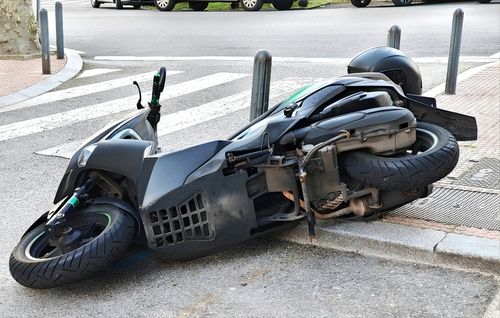
Navigating Insurance After a Motorcycle Crash: What Every Rider Should Know Yes, insurance typically covers motorcycle accidents, but the specifics depend on your policy and the accident circumstances. If you’re
Understanding Shared Fault in Pennsylvania Injury Cases Being injured in an accident is difficult enough without worrying about complex legal rules that might reduce your compensation. If you’ve been told
Thousands of Pennsylvanians are involved in accidents with large commercial trucks every year. If you or a loved one have been in a serious truck accident, you know how quickly
Suffering from truck accident injuries is a traumatic experience. The sheer size of commercial trucks means the results can be devastating when colliding with smaller vehicles. Whether the crash happened
Experiencing a truck accident in Pennsylvania can be devastating, both physically and emotionally. In the aftermath, you may be facing serious injuries, trauma, and an overwhelming recovery process. Whether you
From 2023 – 2025, a staggering 4,500-7,000 motorcyclists lose their lives every year in crashes – according to the National Highway Traffic Safety Administration. This sobering statistic highlights the extreme
Taking Swift Action After a Semi-Truck Collision The moments following a semi-truck accident are crucial for building a strong legal claim. When a 40-ton commercial vehicle is involved in a
Truck Accident Claims Denied: Critical Mistakes to Avoid When Seeking a Personal Injury Lawyer in Pennsylvania Truck accident claims fail in Pennsylvania for several reasons that can leave victims without
Understanding Personal Injury Claims with a Pennsylvania Personal Injury Lawyer Personal injury claims face significant hurdles throughout Pennsylvania. Recent data shows that three out of four personal injury claims falter
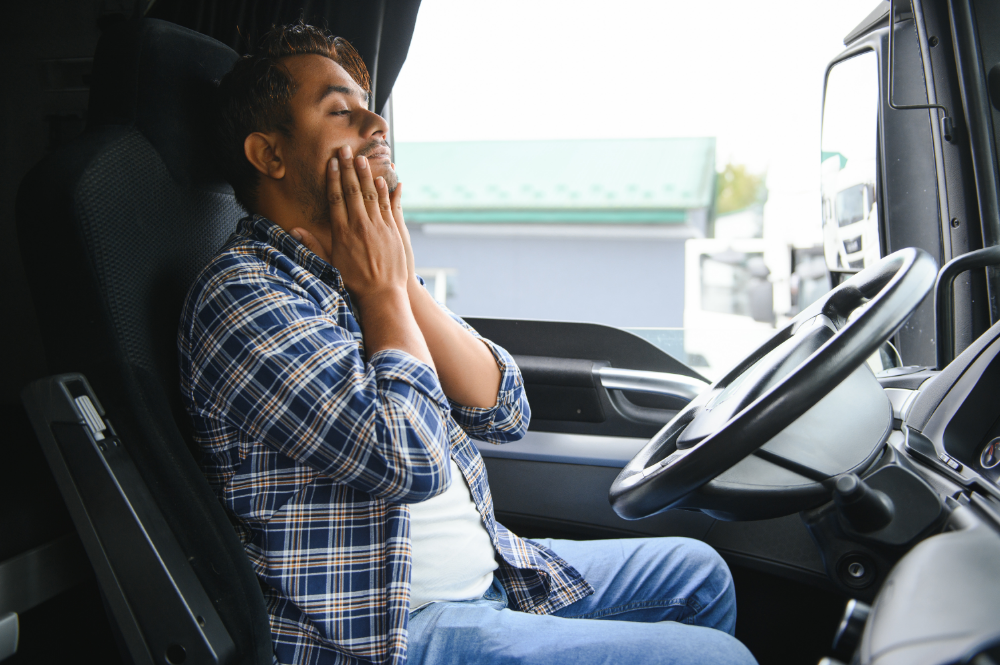
Understanding Commercial Vehicle Safety with a Truck Accident Lawyer in Pennsylvania Recent data shows that drowsy driving contributed to 21% of fatal truck accidents in Pennsylvania during 2024. As truck