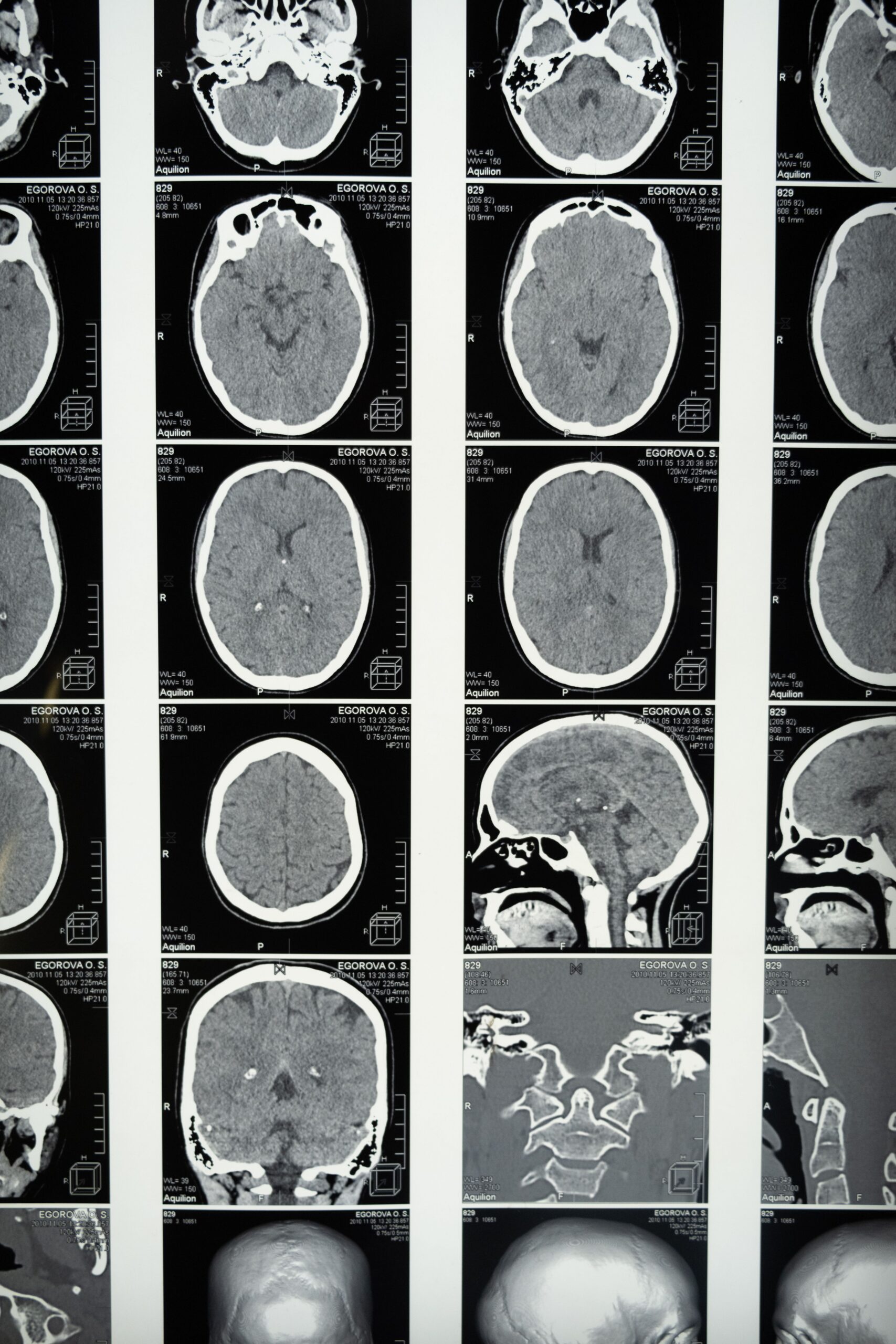
One of the most unusual medical problems that can result from a catastrophic truck accident is a diffuse axonal injury, which can affect a person’s life long before it shows
Truck accidents in Pennsylvania and New Jersey generate some of the most severe traumatic brain injury claims. There is an enormous disparity in size and weight between commercial trucks and
Specialist consultation plays a central role in modern acute care medicine because complex conditions or rapidly evolving symptoms require evaluation beyond the knowledge or authority of a primary care team.
In catastrophic truck accident litigation, there is one deceptively simple question that arises: What injuries did the collision cause? However, in cases with “secondary injuries,” that question does not resolve
Medical litigation depends on chronology, particularly in catastrophic injury cases. Liability and causation turned on point when deterioration became apparent, when providers recognized evolving risk, when intervention occurred, and whether
Neurological decline in a hospitalized patient is not always a catastrophic event or medical malpractice. A decline may develop progressively through subtle changes in cognition, responsiveness, speech, motor function, orientation,
Catastrophic truck accident litigation often involves individuals who have multiple injuries that do not operate independently. A plaintiff may sustain multiple fractures, internal organ damage, a severed limb, and psychological
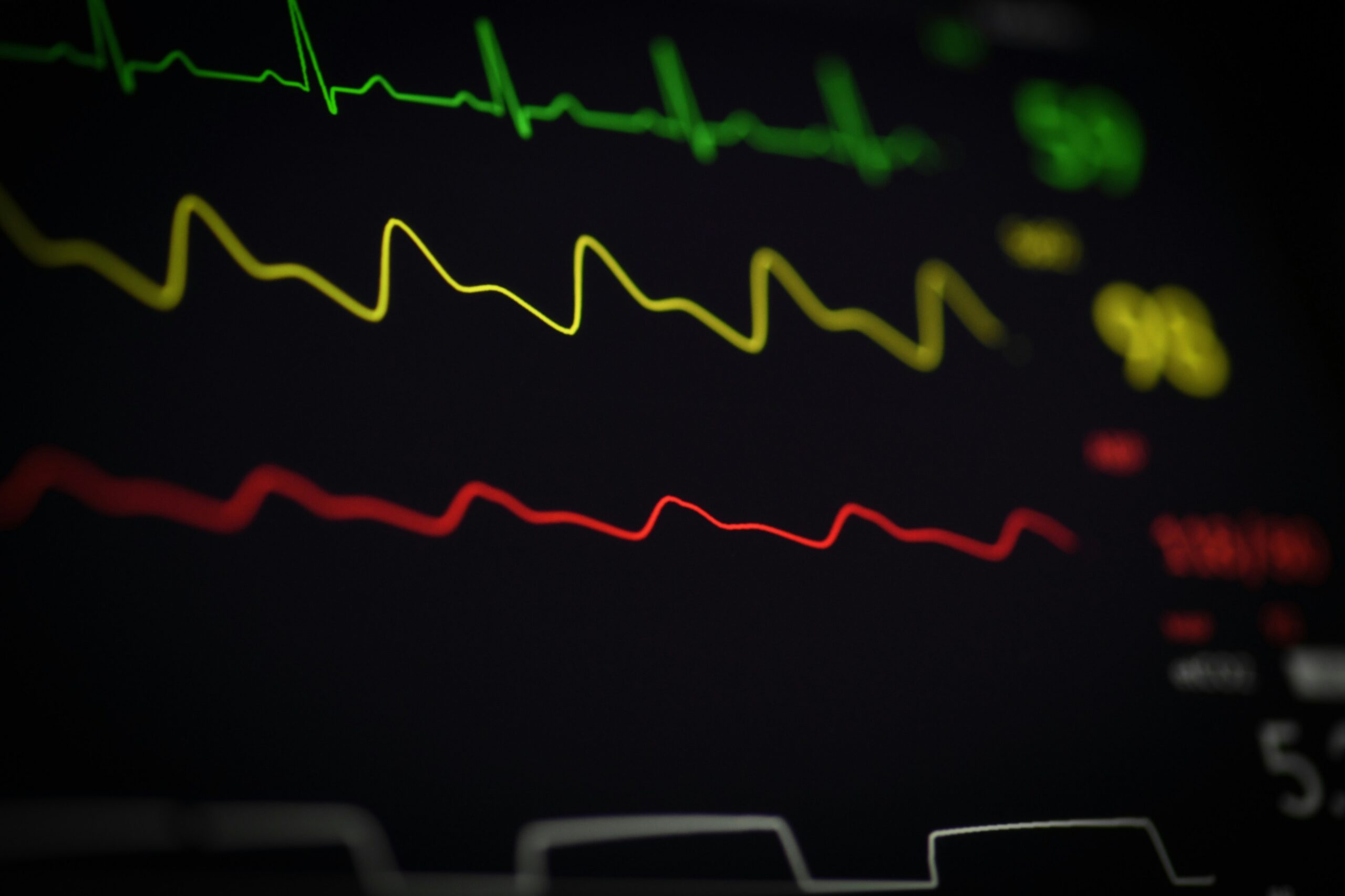
Vital sign monitoring is a primary surveillance function within the healthcare system. Heart rate, blood pressure, respiratory rate, oxygen saturation, and temperature measurements are intended to identify evolving instability before
Traumatic amputation arising from a commercial truck accident can be devastating. Unlike many catastrophic injury claims, the existence of the injury is rarely disputed; it’s visually undeniable. Furthermore, emergency records
When a patient is experiencing multi-system organ failure, it is often as a terminal expression of severe deterioration that follows trauma, infection, surgical complication, hypoxic injury, or prolonged circulatory instability.